
OCD Therapy and Counseling for Adults
OCD therapy in Wheaton, Illinois and virtual throughout Illinois for adults experiencing intrusive thoughts, compulsions, and anxiety
OCD Therapy Snapshot
Who OCD therapy is for
Common concerns treated
Availability
Approach & modalities
Exposure and Response Prevention (ERP), Acceptance and Commitment Therapy (ACT), Dialectical Behavior Therapy (DBT) skills, and psychoeducation.
Session details
Individual therapy • 55–60 minute sessions
What Is OCD Therapy?
OCD therapy is a specialized form of treatment that focuses on disrupting the obsession–compulsion cycle rather than eliminating thoughts. The goal is to help you build tolerance for uncertainty and discomfort while reducing reliance on rituals, reassurance, and avoidance.
Over time, this retrains the brain to respond differently to intrusive thoughts and fears.
go counseling

At Sarah Cline & Associates, we recognize the immense challenges that come with living with Obsessive-Compulsive Disorder (OCD). Our warm and supportive approach ensures that you will always feel safe, welcomed, and understood.
We work with individuals experiencing symptoms such as intrusive thoughts, difficulty controlling fears, efforts to avoid triggers, and compulsive acts to reduce anxiety.
These challenges can significantly impact daily life, but you don’t have to face them alone.
Common Issues and Themes in OCD Therapy
Fear of harming oneself or others
Fear of something terrible happening to oneself or loved ones
Fear of losing control
Fear of contamination
Fears about the future and parenthood
Fear of being in a relationship with the wrong person
Various other types of persistent fears that are resistant to change
Expert Support for Managing Your OCD
Our Approach
We believe in guiding our clients with compassion and without judgment.
Our therapists help you better understand your OCD and develop effective strategies to manage it. We take a thorough inventory of your symptoms and work with you to create a personalized treatment plan.
A key part of our approach is Exposure and Response Prevention (ERP), the gold-standard treatment for OCD. ERP gently and gradually helps you face feared situations while resisting compulsions, reducing the cycle of anxiety and ritual. We may also use Acceptance and Commitment Therapy (ACT), which teaches you to accept difficult thoughts without getting stuck in them, while building a life guided by your values. Alongside these, we integrate tools from Dialectical Behavior Therapy (DBT) to support emotion regulation and coping.
By educating you about OCD and its treatments, we help you gain the skills and confidence to face your fears and move toward lasting change.
A Typical Session
During a 55-60 minute session, your therapist will assess your current symptoms, discuss what strategies have been working and what haven’t, and develop a plan for exposure exercises starting with the least scary situations or thoughts.
Sessions are an open dialogue and may include:
- Practicing calming and mindfulness skills
- Discussing potential medication options
- Developing and practicing exposure tasks
- Providing insights and feedback to help you progress
Our compassionate counselors are here to support you through your OCD journey, helping you feel empowered and in control of your life.
At Sarah Cline & Associates, you are not alone. Together, we can navigate the challenges of OCD and work towards a brighter, more peaceful future.
Evidence-Based Support for OCD Treatment
-
American Psychological Association (APA): ERP is a first-line treatment for OCD
-
National Institutes of Health (NIH): Research supports CBT and ERP for obsessive-compulsive disorder
-
International OCD Foundation (IOCDF): ERP is the gold-standard treatment for OCD
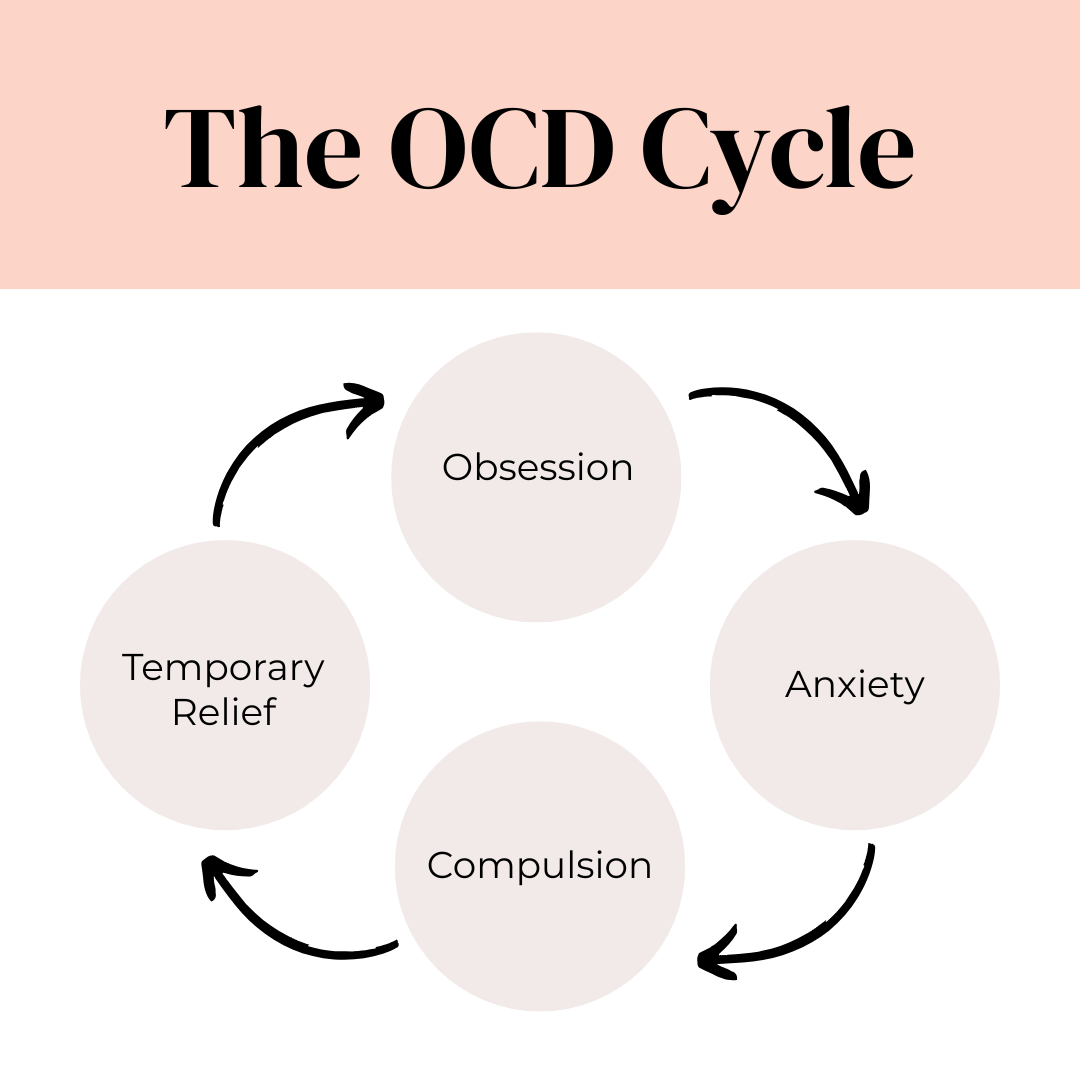
How Therapy Disrupts the OCD Cycle
OCD often follows a cycle: an intrusive thought sparks anxiety, which leads to a compulsion aimed at reducing the discomfort. While the compulsion brings temporary relief, it actually strengthens the OCD cycle over time. In therapy, we work together to break this loop. Approaches like Exposure and Response Prevention (ERP) help you face intrusive thoughts without engaging in compulsions, gradually teaching your brain that you can handle the discomfort and that the feared outcome doesn’t occur. Over time, the cycle weakens, and your sense of control grows stronger.
What Does Progress Look Like?
Progress in OCD therapy isn’t about eliminating every intrusive thought—it’s about shifting how you respond to them. Success often means you’re no longer caught in the same cycles and can focus more on the life you want to live. At Sarah Cline & Associates, we can help you get there.
Fewer compulsions and rituals
Less distress when intrusive thoughts appear
Spending less time stuck in OCD cycles
Feeling calmer in situations that once triggered anxiety
Reclaiming energy for relationships, work, and hobbies
Free OCD Self-Monitoring Log
Tracking your thoughts, feelings, and behaviors can help you and your therapist see patterns in your OCD. This worksheet gives you a simple way to record obsessions, compulsions, and anxiety levels, so together we can identify triggers, measure progress, and practice new strategies over time.

Frequently Asked Questions
What’s the difference between OCD therapy and general anxiety therapy?
While OCD and anxiety share similarities, therapy for OCD is more specialized. General anxiety therapy often focuses on reducing worry, managing stress, and building coping skills. OCD therapy, on the other hand, directly targets the obsession–compulsion cycle using approaches like Exposure and Response Prevention (ERP) and Acceptance and Commitment Therapy (ACT). These methods help you face intrusive thoughts without performing compulsions, breaking the cycle that keeps OCD going. In short, anxiety therapy helps calm overwhelming worry, while OCD therapy focuses on changing the specific patterns that drive obsessions and compulsions.
Is OCD therapy evidence-based?
Yes. ERP is considered the gold-standard treatment for OCD and is supported by decades of research.
Is OCD therapy available via telehealth?
Yes. We provide secure telehealth OCD treatment throughout Illinois.
How long does OCD therapy take?
Treatment length varies, but many clients notice improvement within several months of consistent work.
Feel Heard, Feel Safe, Feel Better - Contact Us

In-Person Sessions
2100 Manchester Rd. Suite 501-1
Wheaton, IL. 60187
Virtual Sessions
Throughout Illinois